Caregiver Support
in Evanston, IL
Expert Caregiver Support You Can Lean On
When a loved one is diagnosed with Alzheimer's or another dementia, the focus naturally shifts entirely to them, but who is looking out for you?
Is the invisible pressure of going from partner or adult child to caregiver becoming overwhelming?
Are you emotionally drained from constantly bracing yourself for the next phone call or crisis?

Do you feel guilty every time you consider taking a break, hiring help, or saying “No”, even though you know you can’t keep going at this pace?
Dementia and Alzheimer’s Take a Toll on Caregivers Too
When you’re a caregiver for a loved one with dementia, it can feel like you’re losing pieces of yourself with each passing day. You might be carrying the weight of every important decision, urgent appointment, and tough conversation on your own.
Maybe you’re a spouse whose partner no longer remembers how much they love you. Or perhaps you’re an adult child who has become your parent’s sole caregiver, despite other family members living nearby. It seems like no matter the issue, the responsibility lies on you to figure it out.
You might find yourself asking:
Who am I now that so much of my life revolves around caregiving?
How do I set boundaries or ask for help without feeling like I’m failing my loved one?
Is it even possible to care for my own health while keeping up with my loved one’s needs?
How do I grieve someone who is still here?
Your needs are important too, and I’m here to give caregivers like you valuable support.
Have any questions? Send Me a message!
You Deserve a Specialist by Your Side
Caring for someone with dementia is unlike almost any other kind of caregiving. No matter how much you do or how well you do it, your loved one won’t “get better.” That reality is hard to explain to anyone who hasn’t lived it. Friends might drift away, and other relatives may not step up to get involved.

Our culture expects caregivers to handle it all without complaint. When you think you can’t carry everything by yourself, you might feel like a failure. In reality, you’re facing a relentless, unpredictable disease while running on empty, which can make even minor decisions feel impossible—especially when you and your loved one can’t see eye-to-eye.
Combining Decades of Expertise with Compassionate Guidance
Whether your loved one is newly diagnosed or you’ve been in the trenches for years, it’s never too early or too late to reach out. I’m here to look at your specific situation as a caregiver to offer guidance and support suited to you and your family’s needs.
My understanding of dementia comes from over a decade spent alongside families in the thick of it, including hands-on experience with the Alzheimer’s Association and hospital memory clinics.
This foundation allows me to offer more than sympathy. I provide concrete support for your next steps.
Support for Family Caregivers: Real-World Insight for the Realities of Caregiving
I know firsthand what caregiving for dementia is like. You won’t have to waste time explaining the basics. When you’re working with me, you can feel secure knowing that you’re supported by someone who knows the memory care system inside and out, as well as the personal toll of this diagnosis.
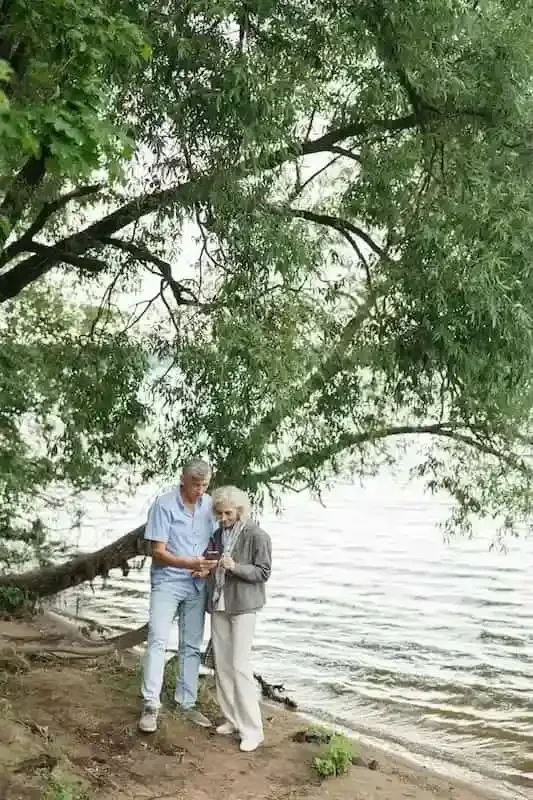
While I am a licensed clinical counselor, our caregiver support sessions are coaching and guidance, not clinical therapy. Together, we can find ways to work through the heavy sadness and anxiety that are completely normal responses to a devastating diagnosis.
Instead of digging into your childhood, we concentrate on solving today’s problems and managing your stress. Often, these strategies reduce feelings of overwhelm by helping you build practical coping strategies, create boundaries, and protect your own well-being.
Essential Tools and Emotional Support for Family Caregivers
I bring a compassionate and action-oriented approach designed to provide immediate relief for caregivers while building a sustainable plan for the future. Caregiver support encompasses all of the following and more:
Coping with Ambiguous Loss: Mourning someone who is still physically in front of you is one of the hardest parts of dementia care—a quiet, unspoken grief known as ambiguous loss. Drawing on specialized training with Dr. Pauline Boss, who coined the term, I'm here to help you untangle these mixed feelings and find a way to carry the weight.
Understanding the “Why” Behind Challenges: Right now, you probably have lots of questions about why your loved one acts the way they do. We look at the big picture, including brain changes, environmental triggers, family dynamics, and routines. By uncovering the “why” behind these behaviors, we cut out the guesswork to define clear, effective methods for addressing friction.
Brain-First Communication Coaching: By drawing on my twelve years of working with a vast number of people living with dementia and their caregivers, I’ll act as your “dementia translator.” We replace outdated logic with validation and non-verbal cues that can calm your loved one’s nervous system and prevent power struggles.
Caregiver Energy & Resiliency Tune-Up: Burnout and caregiving don’t have to go hand-in-hand. I don’t treat your wellbeing as an afterthought. We review your whole schedule to see where we can lighten your load and delegate or outsource tasks.
How Can Caregiver Support Help You and Your Family?
Every caregiver’s needs are unique, and the support you receive will be completely customized specifically to your needs.
Here are a few areas we often address:
Practical Problem-Solving
Together, we pinpoint your immediate concerns such as your loved one denying deficits, dealing with repetitive questions, or difficult discussions about safety, and map out step-by-step strategies for your personal situation.
Emotional Support
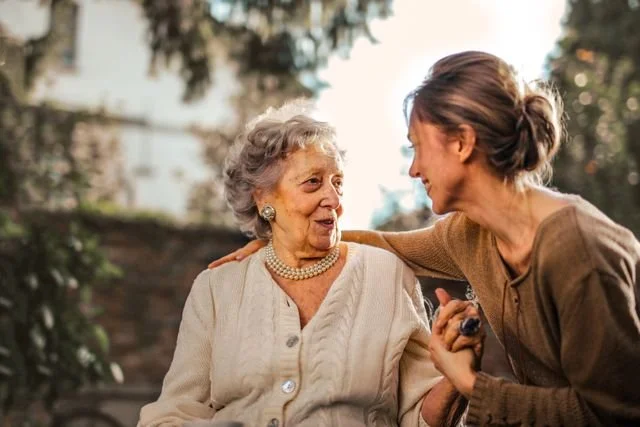
Caregiver support sessions are safe and judgment-free. This is a place where you can say the hard things out loud—and where you are seen and acknowledged for all you do for your loved one.
Communication Strategies and Boundary Setting
I’ll equip you with straightforward communication techniques that stop misunderstandings and help you define your boundaries. We’ll practice exactly what to say when you need to set limits with your family, handle your loved one’s care refusal, or talk to care staff.
Navigating Family Dynamics
Whether you are handling caregiving solo or trying to manage tasks with relatives who simply do not get along, we look at ways to manage conflict and if possible, share responsibilities in a way that feels fair.
Over time, you’ll move from merely surviving to regaining control over your time, health, and relationships. Our work can empower you to build a more harmonious, dignified connection with your loved one in which you’re not “the boss” but a loving spouse, daughter, or son.
Frequently Asked Questions
-
I get it! When you’re in survival mode, the last thing you need is "more homework." That is exactly why we work the way we do. We don’t start with a giant to-do list. We begin by finding small, immediate ways to lower your stress and free up your time. My goal is to take some of that weight off your shoulders so you can finally catch your breath.
-
While we can’t change the diagnosis, we can absolutely change the daily experience. My goal is to give both of you more good days, more peace of mind, and the confidence that you are doing the absolute best you can with the situation you’ve been given. Even in the hardest chapters, there are small moments of joy and connection. I help you find them so you have what you need to keep going.
-
It’s never too early. I support caregivers at all stages—from day one through the long haul. Remember, this is a traumatic experience for you too. Watching someone change is a profound, daily loss, one that inevitably changes you as well. My goal is to support you in this equation, ensuring you don't lose yourself. Reaching out now is a proactive step to protect your well-being. Let's build your support plan before you hit your limit.
Caregiving Is Simpler When You Have
Somewhere to Turn
Talk Dementia Care with Peggy Rubenstein offers caregiver support for individuals and families whose loved ones are living with a mild cognitive impairment, Alzheimer’s, or another type of dementia.
To see how caregiver support can bring you and your family some much-needed relief, contact me to book a free discovery call. I meet with clients in-person and virtually throughout the USA.
Recent Posts